
Short answer: If you’re given aso ebi, wear it. If not, wear elegant Nigerian traditional attire (or polished formal wear) in a colour that suits the event. Don’t wear white or ivory to the white wedding, and dress modestly at Hausa or Muslim ceremonies.
First, know which ceremony you’re attending
Many Nigerian couples have two celebrations, sometimes on the same weekend and sometimes weeks apart. Check the invitation, because each one calls for a different outfit.
The traditional wedding ("trad")
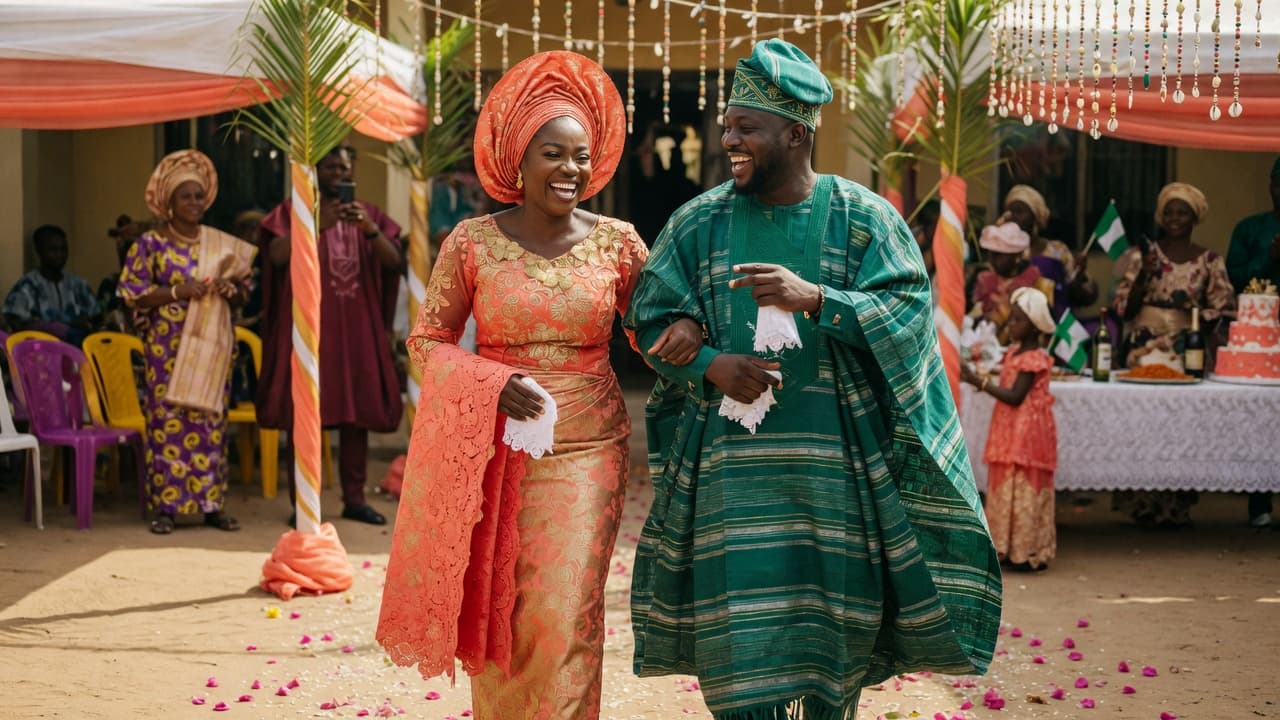
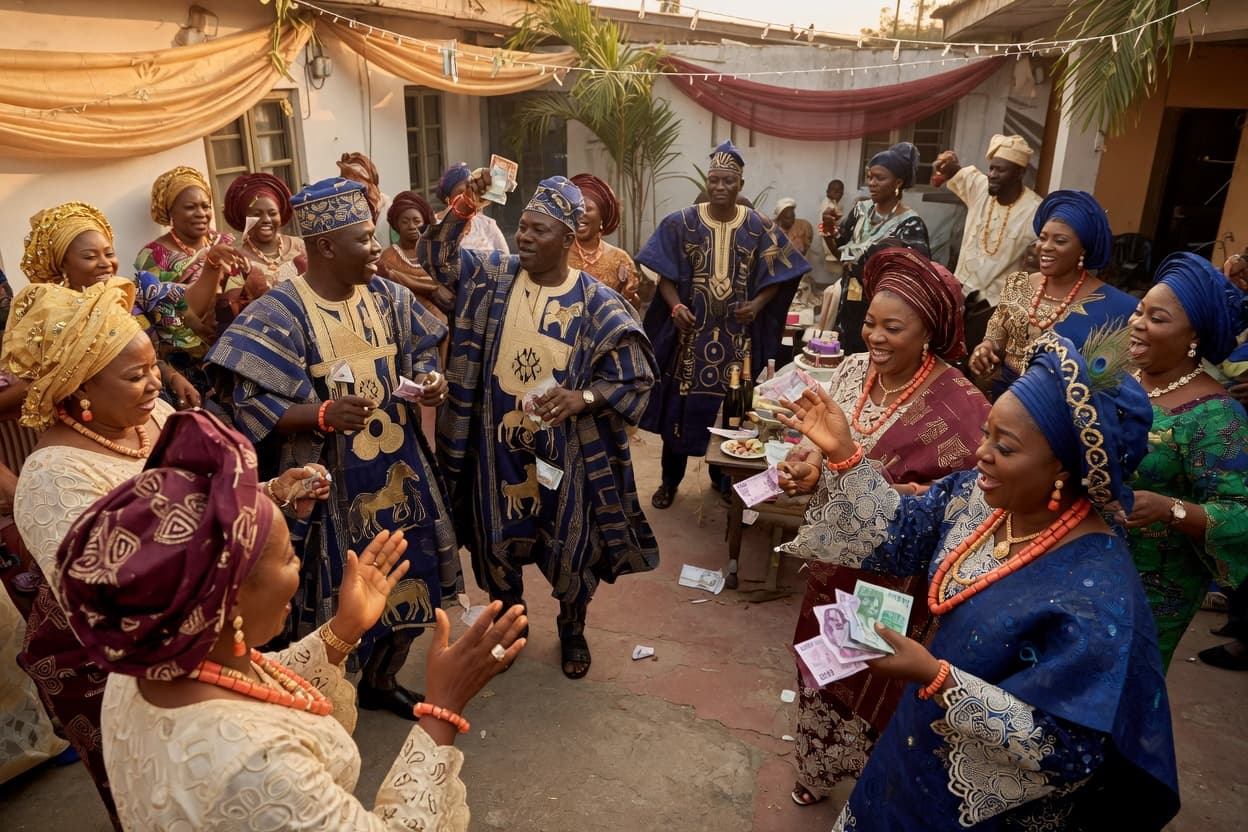
This is the cultural ceremony where the two families come together, following the customs of the couple’s heritage: Yoruba, Igbo, Hausa, Edo, Urhobo, Efik and many more. Expect music, dancing, money spraying and a lot of colour. Nigerian traditional attire is the expected dress code, and this is where you go bold.
The white wedding
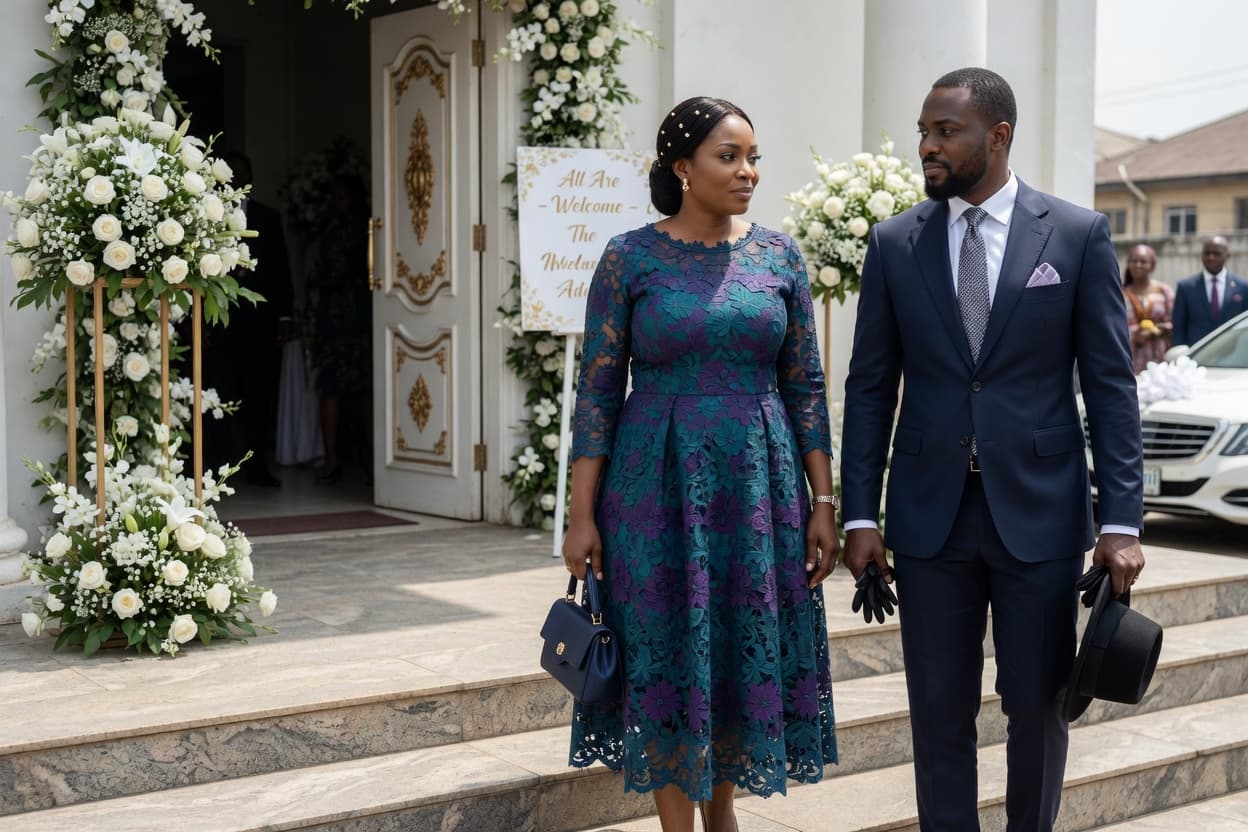
This is the church or civil ceremony, usually followed by a big reception. The bride wears a white gown, and guests wear formal or cocktail attire. Many guests also wear refined native wear. Think "smarter than a regular Sunday service, but never competing with the bride."
Not sure what to wear yet? Tell Swiftoutfit the occasion, dress code, location and weather, and get a full outfit idea in minutes. Try it free
Aso ebi: the most important rule
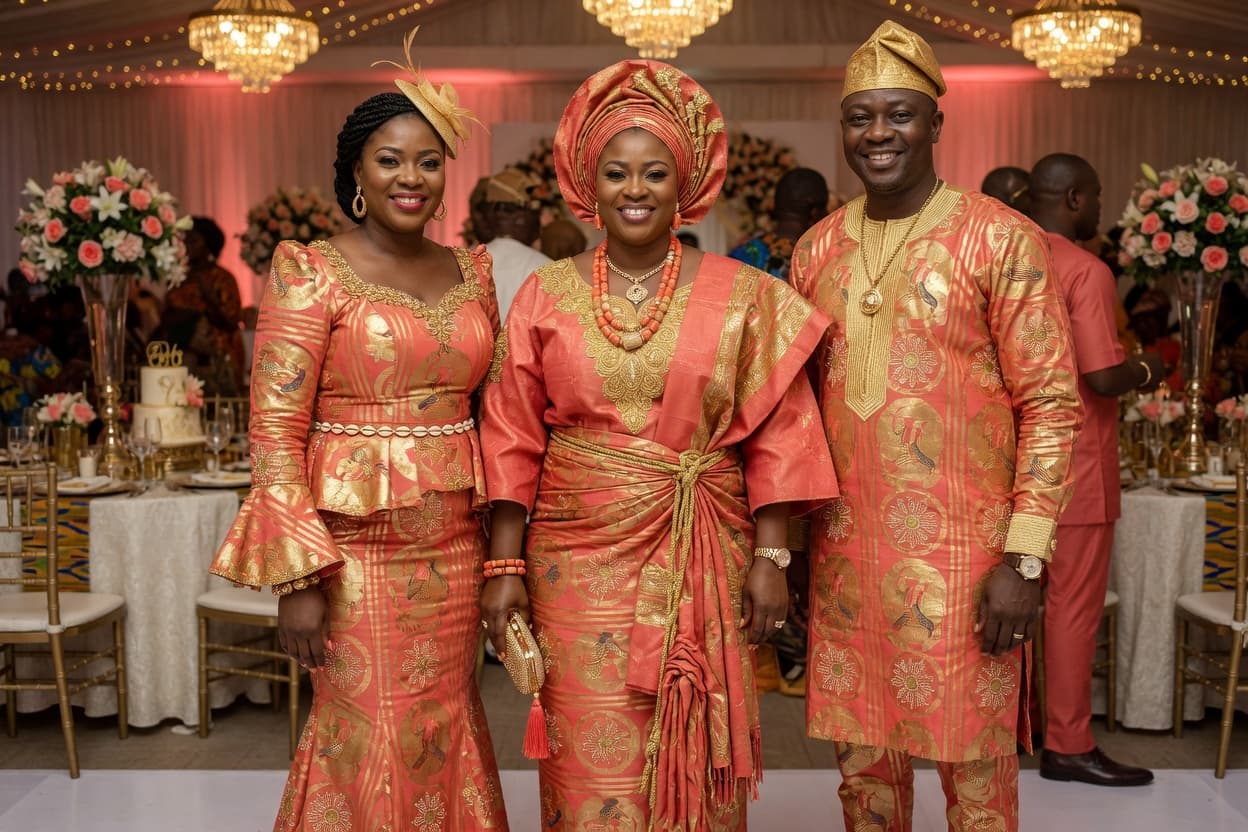
Aso ebi (a Yoruba phrase often translated as "family cloth") is the coordinated fabric chosen by the couple or their families. Close friends and relatives buy it and have it sewn into their own style, so everyone in that circle matches in colour and fabric. The tradition is now common at weddings across Nigeria and the diaspora.
If you received or bought aso ebi:
- Wear it. Showing up in something else is noticed.
- Choose your own style, but keep it event-appropriate. You can usually pick your own cut. Skip very short, sheer or bridal-looking designs.
- Book your tailor early. Give yourself at least six to eight weeks. Rushed tailoring is the most common aso ebi regret.
If you didn’t get aso ebi:
- You are not expected to track it down.
- Wear your best traditional or formal outfit in a complementary colour, or a colour from the wedding’s palette if the couple shared one.
- Don’t try to copy the aso ebi colour in a different fabric. A near-match looks like a mistake. Go clearly different and clearly elegant.
What women can wear
To a traditional wedding
- Buba and iro (Yoruba): a blouse (buba) and wrapper skirt (iro), often with an ipele or iborun draped over the shoulder, in aso oke, lace or ankara.
- Blouse and George wrapper (Igbo and South-South): George is a rich, heavy, often embroidered fabric. Pair it with a structured or beaded blouse.
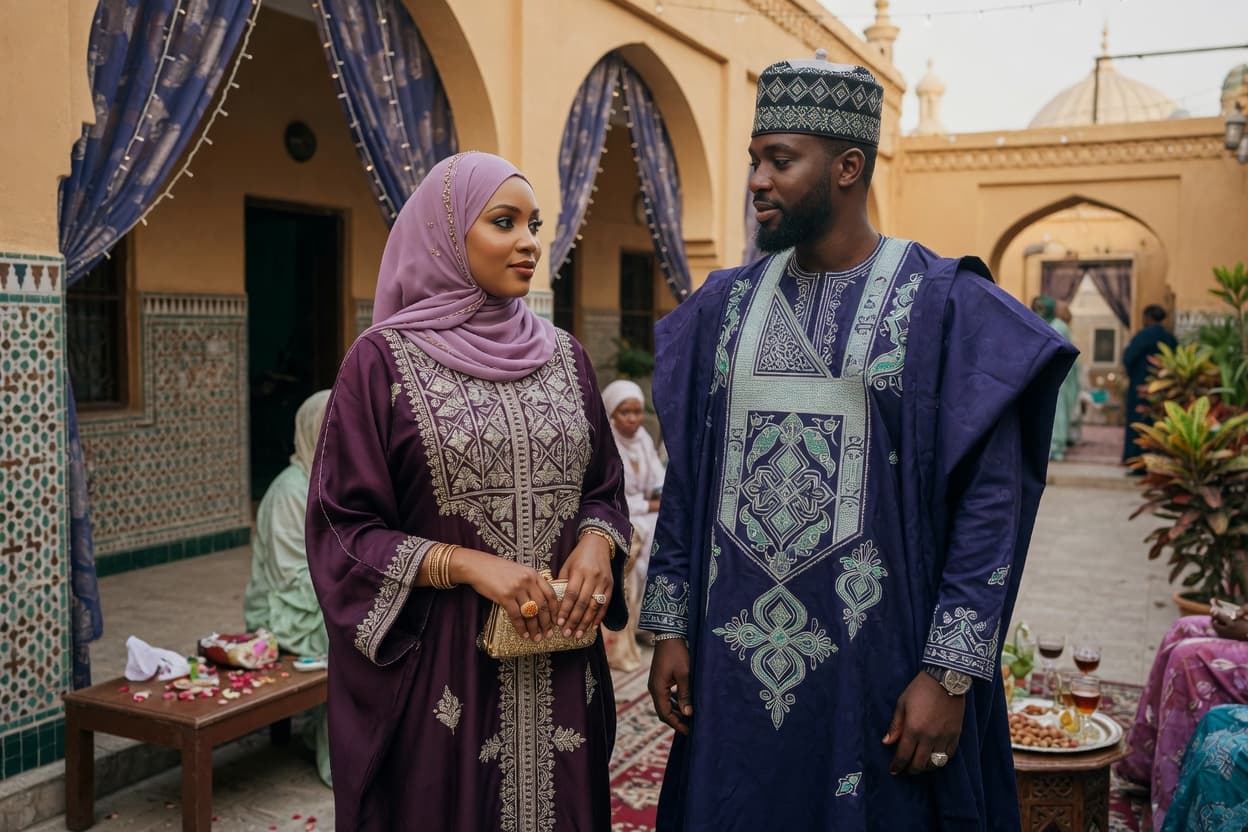
- Kaftan, abaya or flowing embroidered gown (Hausa and Northern): elegant and covered, in fabrics like silk, chiffon or damask, with a beautifully styled scarf or head covering.
- A lace or ankara gown: a polished option if you’d rather not wear a wrapper.
The gele (head tie) is the finishing touch at most southern Nigerian traditional weddings, and it really does complete the look. If you can’t tie one, book a gele stylist (many diaspora cities have them) or buy a pre-tied auto-gele. At Hausa or Muslim ceremonies a graceful scarf or hijab is usually the better choice.
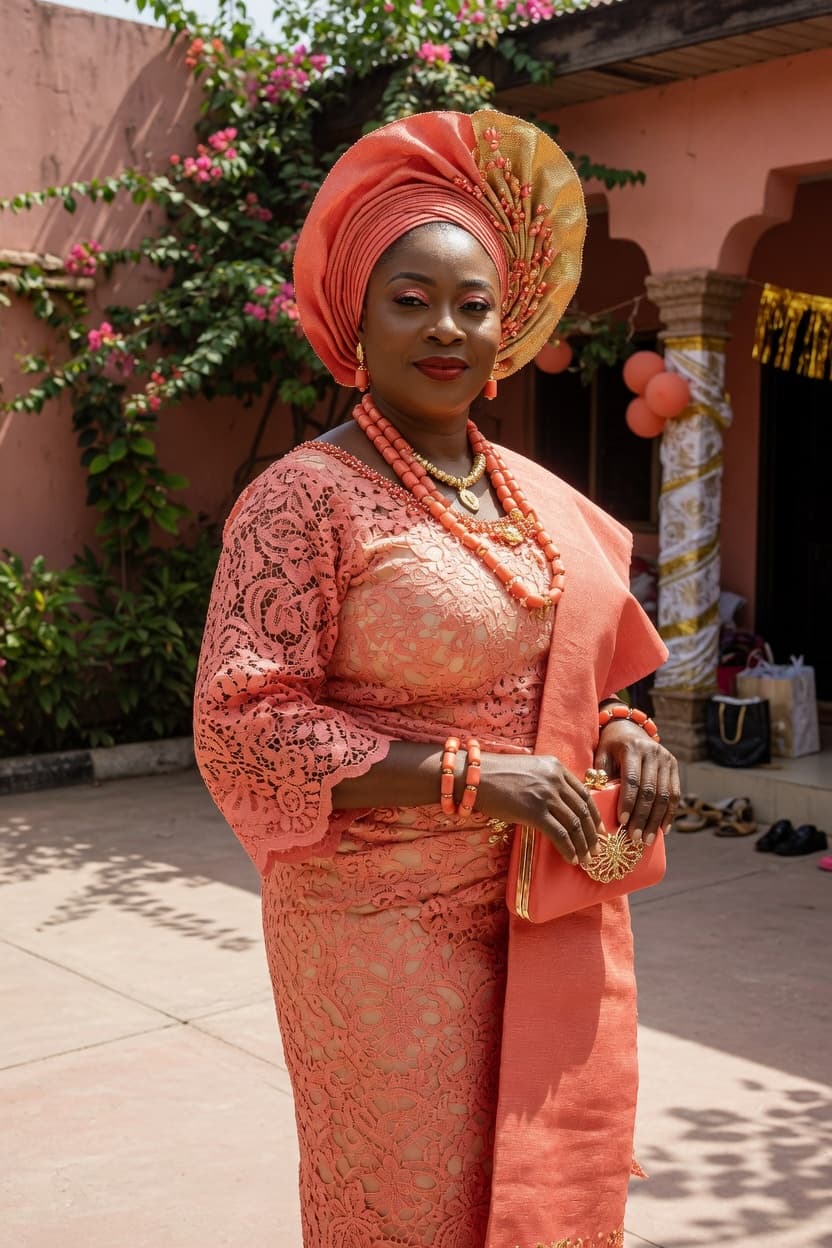
Accessories: coral or statement beads, gold-tone jewellery, bold earrings and a clutch that coordinates with your outfit. Choose block heels or wedges if any part of the event is outdoors or on grass, because you will be dancing.
To a white wedding
A midi or floor-length dress, a jumpsuit, a tailored suit, or refined native wear in a moderate fabric. Jewel tones, pastels and classic prints all work. If the couple has a colour theme, lean into it.
What men can wear
To a traditional wedding
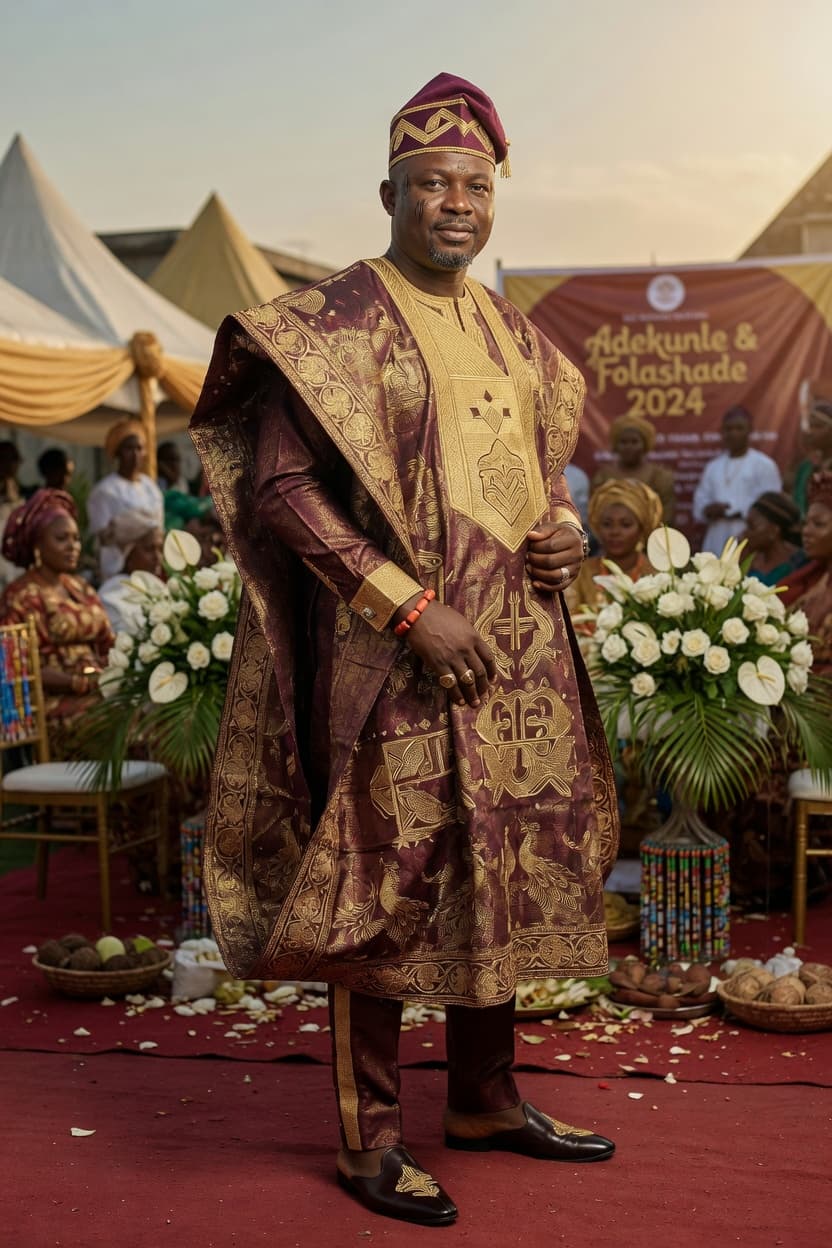
- Agbada: the grand, flowing robe worn over a matching buba (shirt) and sokoto (trousers). It’s the classic prestige look, especially at Yoruba weddings, often in aso oke or brocade.
- Buba and sokoto: the same shirt-and-trouser set without the robe. It’s lighter and easier to dance in.
- Senator (native suit): a fitted, longer tunic with matching trousers. It’s clean, modern, and a great choice if an agbada feels like too much.
- Kaftan or babban riga (Hausa and Northern): an embroidered kaftan, or the flowing babban riga, finished with a hula cap.
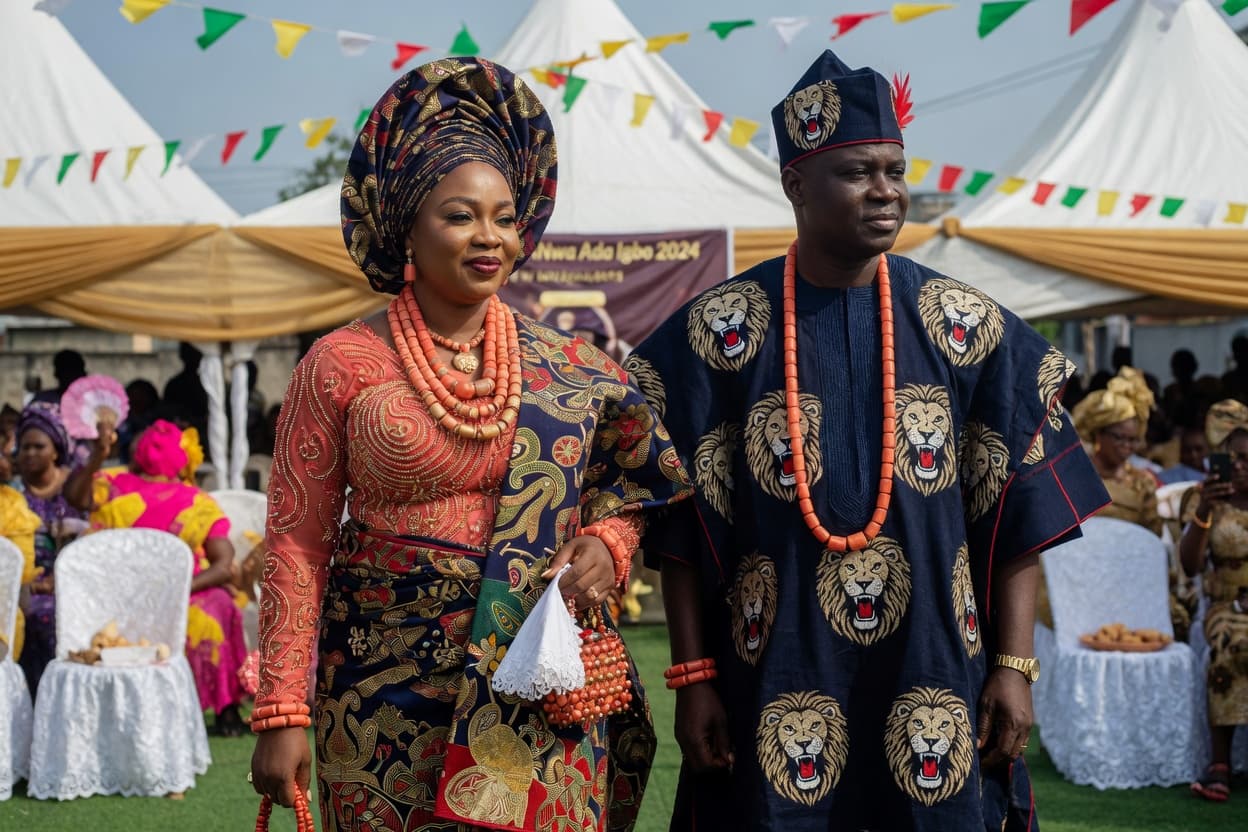
- Isiagu (Igbo): the patterned "lion’s head" top, worn with trousers or a wrapper. It’s a symbol of pride and nobility. Many guests wear it to Igbo celebrations, and a matching cap completes it.
Don’t forget the cap. A fila (Yoruba), hula (Hausa) or a cap that matches your outfit makes the look feel finished. Add leather slippers or loafers, a watch, and beads if they suit the style.
To a white wedding
A well-tailored suit in navy, charcoal or another rich colour, or a sharp senator or kaftan. Both are completely appropriate at Nigerian church weddings.
Yoruba, Igbo and Hausa: quick nuances
| Culture | Women | Men | Good to know |
|---|---|---|---|
| Yoruba | Buba, iro, gele, ipele in aso oke or lace | Agbada over buba and sokoto, fila cap | Aso ebi is central, and colours tend to be vibrant |
| Igbo | George wrapper, embroidered blouse, gele, coral beads | Isiagu or kaftan, matching cap | Coral is meaningful, and many families avoid black for celebrations |
| Hausa / Northern | Kaftan, abaya or embroidered gown, scarf or hijab | Kaftan or babban riga, hula cap | Modesty matters: long sleeves, long hems, often softer colours |
Plenty of weddings blend cultures. When in doubt, ask the couple or a close family member which style to lean into. They’ll appreciate the thought.
Colours: what works and what to avoid
- Avoid white and ivory at the white wedding. Those belong to the bride.
- Don’t try to out-dress the bride. Skip bridal-style beading and anything that looks like a wedding gown.
- Think twice about all-black. In many Nigerian families, especially at Igbo celebrations, black is linked to mourning. A rich colour is a safer, happier choice.
- Safe, beautiful picks: emerald, wine, royal blue, gold, coral, champagne and deep plum, or the couple’s palette if they shared one.
What not to wear
- Casual clothes like jeans, sneakers or T-shirts. Guests dress up.
- Very short, sheer or revealing outfits, especially at church or Muslim ceremonies.
- Shoes you can’t stand or dance in for hours.
- A full outfit in the aso ebi colour when you didn’t get the fabric.
Tips for Canadian and diaspora weddings
Nigerian weddings in Canada, the UK and the US are just as glamorous, but the weather has other plans.
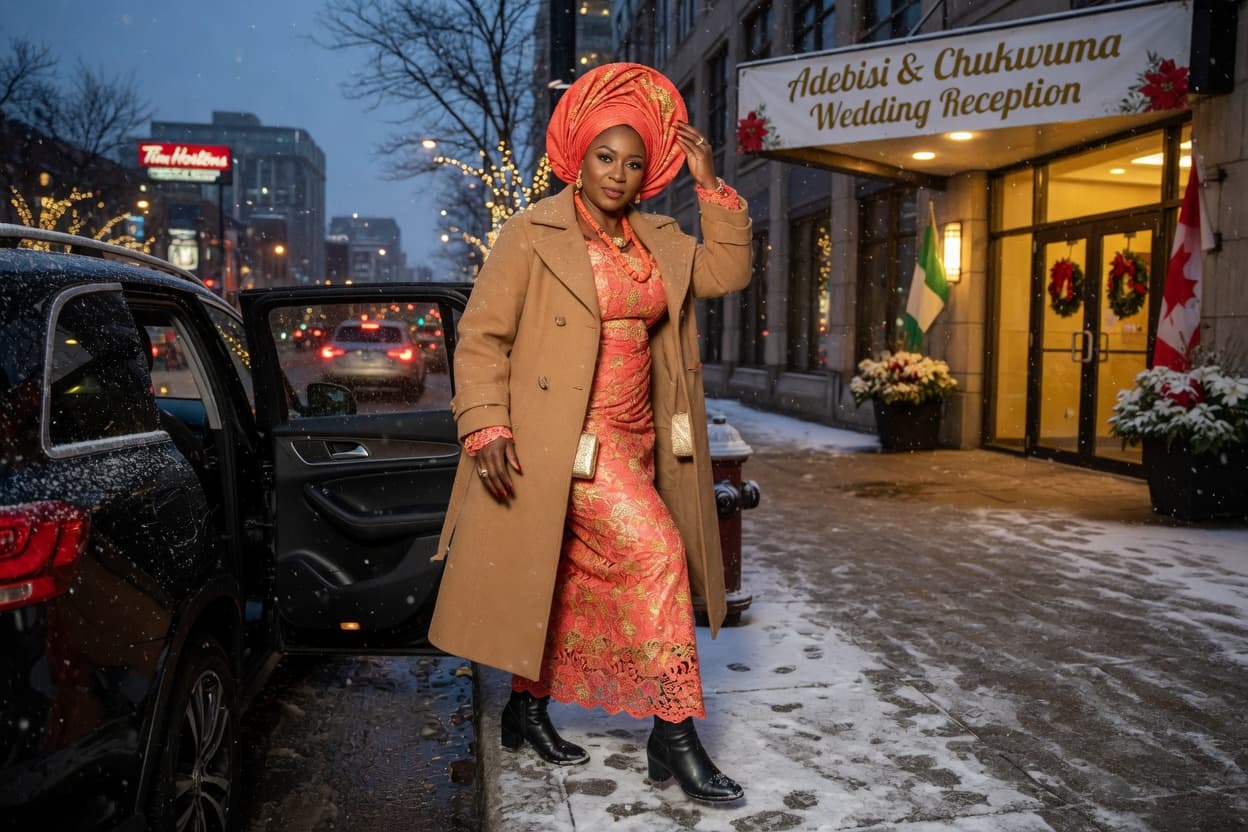
- Plan for the cold. For fall and winter weddings, a long wool coat or a cape in a solid colour sits nicely over traditional wear. A pashmina or wrap in a colour from your outfit works indoors.
- Layer underneath. Thermal leggings under an iro or long gown, and a fitted thermal under a buba or senator, are invisible and save the day.
- Swap your shoes. Wear boots between the car and the venue, then change into your heels or slippers inside.
- Protect your gele. Plan your route so your head tie doesn’t meet wind, snow or a low car roof.
- Allow time for shipping and tailoring. If your aso ebi is coming from Nigeria, order early.
Plan your Nigerian wedding guest look with Swiftoutfit
Swiftoutfit is an AI outfit planner and wardrobe stylist. Choose Plan an Outfit, pick "Wedding", and add the details: traditional or white wedding, the culture, the aso ebi colour, the city and the weather. You’ll get a head-to-toe suggestion with an explanation of why it works. Or use Style My Wardrobe to snap the pieces you already own and let the AI build looks from your own closet. Your photos stay private to your account.
FAQ
Do I have to wear aso ebi to a Nigerian wedding?
Only if you received or bought it. In that case, wearing it is expected. If you didn’t get aso ebi, wear elegant traditional or formal attire in a complementary colour.
Can a non-Nigerian wear Nigerian traditional attire to the wedding?
Yes. Wearing traditional attire respectfully is usually seen as a lovely gesture of celebration. Choose a well-made outfit, and ask the couple if you’re unsure which style fits the ceremony.
What colours should I avoid at a Nigerian wedding?
Avoid white and ivory at the white wedding, and think twice about all-black, which many families associate with mourning. Don’t copy the aso ebi colour if you didn’t get the fabric.
Do I need to wear a gele?
It isn’t required, but at most southern Nigerian traditional weddings it’s the standard finishing touch for women. A pre-tied auto-gele is an easy option. At Hausa or Muslim ceremonies, a scarf or hijab is more appropriate.
What should men wear if they don’t own an agbada?
A senator suit, a buba and sokoto set, or an embroidered kaftan with a matching cap all look sharp at a traditional wedding. For the white wedding, a well-tailored suit works perfectly.
How do I dress for a Nigerian wedding in a cold Canadian winter?
Layer thermals under your outfit, wear a long solid-colour coat or cape over it, travel in boots and change shoes at the venue, and protect your gele from wind and snow.
Outfit images on Swiftoutfit are AI-generated suggestions to inspire your look.
Free to start
Plan this look with Swiftoutfit
Tell Swiftoutfit the occasion, dress code, location and weather, and get a head-to-toe outfit idea with an explanation of why it works.